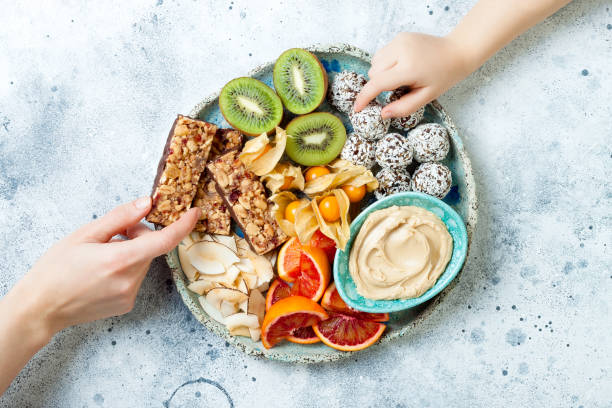
Snacking has earned a bad reputation over the years, often blamed for weight gain, poor nutrition, and lack of discipline. The problem, however, is not snacking itself but the kind of snacks people reach for. Highly processed foods loaded with sugar, refined flour, and artificial additives are designed to trigger cravings rather than satisfy them. Healthy snacks, when chosen wisely, can do the opposite. They can keep blood sugar steady, prevent overeating at meals, and provide essential nutrients the body needs to function well.
One reason many people struggle with cravings is that their snacks lack balance. A snack made only of carbohydrates, such as biscuits or sweets, causes a rapid rise in blood sugar followed by a sharp crash. That crash signals hunger again, often stronger than before. A satisfying snack usually contains a combination of protein, healthy fats, and fiber. This combination slows digestion, keeps you full longer, and reduces the urge to keep eating.
Fruit is often seen as a healthy snack, and it can be, but it works best when paired with something else. An apple eaten alone may satisfy briefly, but an apple with peanut butter or a handful of nuts provides protein and fat that increase satiety. The same applies to bananas with yogurt or berries with cottage cheese. These simple pairings turn natural sugars into sustained energy rather than a quick spike.
Nuts and seeds are among the most reliable snacks for curbing cravings. Almonds, groundnuts, sunflower seeds, and pumpkin seeds are rich in healthy fats, protein, and minerals. They require little preparation and are easy to carry. Portion control matters, since they are calorie dense, but even a small handful can significantly reduce hunger. When eaten slowly and mindfully, they provide both physical satisfaction and a sense of fullness.
For people who crave something crunchy, roasted chickpeas or beans are an excellent alternative to chips. They offer fiber and protein while still delivering the texture many people desire. Preparing them at home allows control over salt and oil, making them far healthier than packaged snacks. Even popcorn, when air popped and lightly seasoned, can be a filling snack due to its volume and fiber content.
Dairy based snacks also play an important role. Plain yogurt, especially Greek style, is high in protein and supports gut health. Adding fruit or a drizzle of honey can enhance flavor without turning it into a sugar bomb. Cheese, when eaten in moderation, can also be satisfying because of its fat and protein content. Pairing cheese with whole grain crackers or vegetables like carrots and cucumbers improves balance and nutrition.
Vegetables are often overlooked as snacks because they are not immediately appealing. However, when paired with the right dips, they become far more satisfying. Hummus, avocado, or yogurt based dips add flavor, healthy fats, and protein. This combination turns raw vegetables into a snack that is both enjoyable and filling, especially for those trying to reduce refined carbohydrates.
Timing and awareness also matter. Many cravings are not true hunger but responses to stress, boredom, or fatigue. Choosing a nutritious snack during these moments can still help, but learning to pause and identify the reason for the craving is equally important. Sometimes a glass of water, a short walk, or rest addresses the root cause better than food.
Healthy snacking is not about perfection or strict rules. It is about making choices that work with your body rather than against it. When snacks nourish rather than stimulate endless appetite, they become a tool for better energy, mood, and long term health.








Comments
No comments yet. Be the first to share your thoughts!